Overview of Key Findings
Resumen de las Conclusiones Principales
Resumo das Principais Conclusões
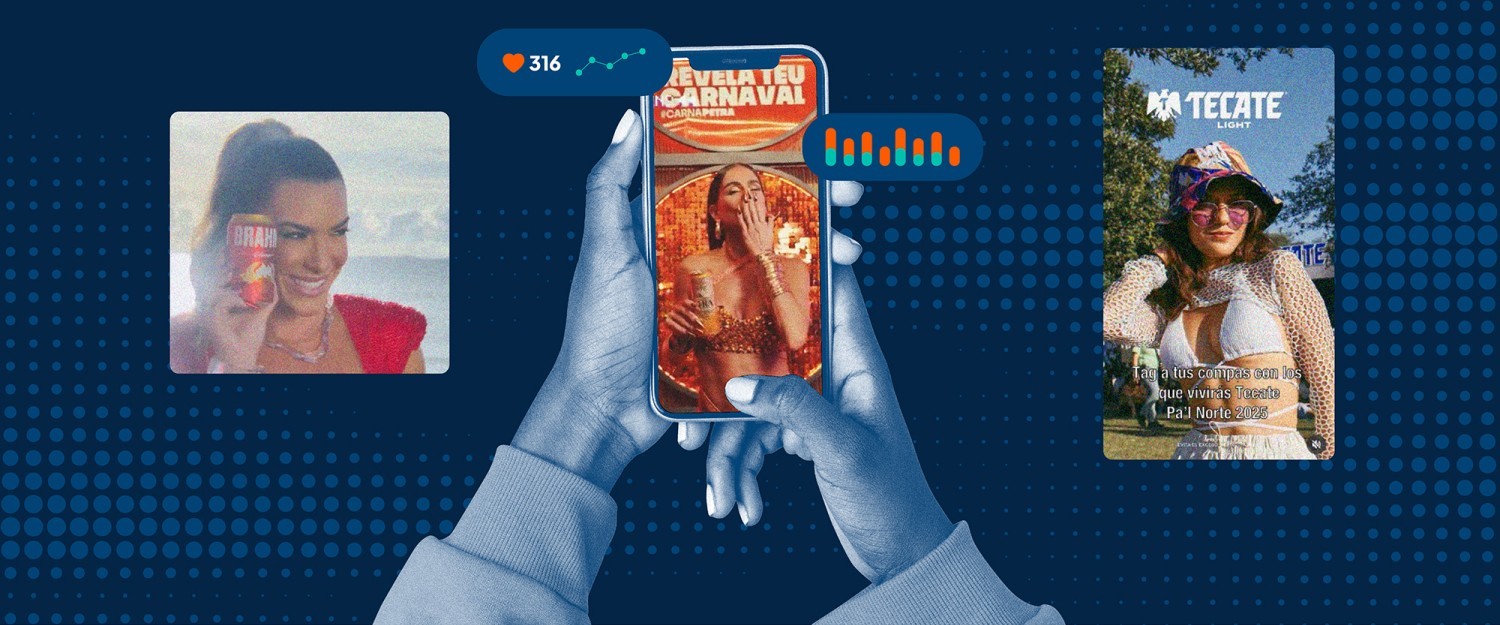
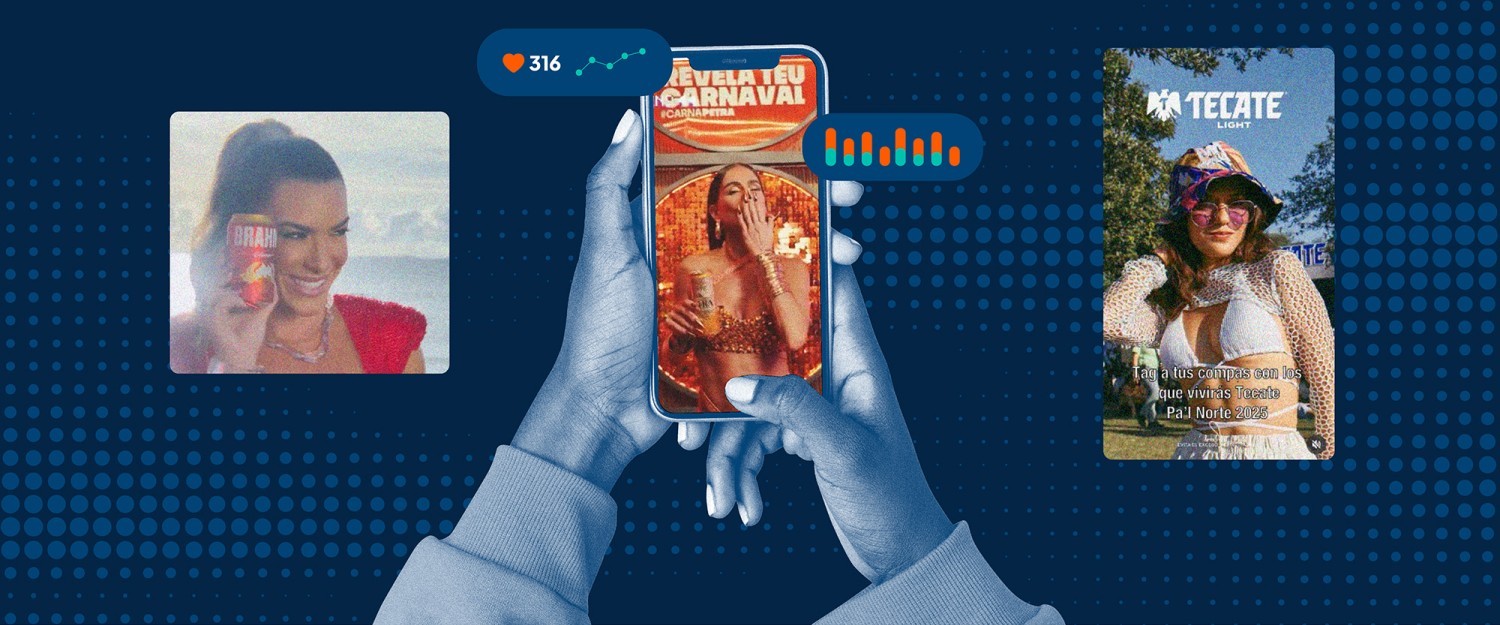
Alcohol marketing has undergone a dramatic transformation in the digital age, moving from traditional advertising to sophisticated, algorithm-driven strategies that target consumers with unprecedented precision. Using Canary, Vital Strategies' real-time digital media monitoring system, researchers tracked alcohol marketing activity across publicly accessible social media posts in Brazil, Mexico, the Philippines and South Africa. Our new report, “Exposing Alcohol’s New Advertising Playbook: Digital Marketing in RESET Alcohol Initiative Countries—A Research Report,” provides the first Canary analysis of the potential scale, tactics and target audiences of the alcohol industry's digital marketing. The data in this report offers a snapshot of digital marketing activity over a 31-day period in March 2025 and serves as a baseline for Canary’s continued tracking.
Researchers found that nearly 4,000 posts captured by Canary generated an estimated 2 billion impressions, underscoring the enormous reach of online alcohol promotion. A small number of major transnational companies—including AB InBev, Heineken and San Miguel—dominated this activity, primarily on Instagram, X, Facebook and news sites. Marketing tactics ranged from direct consumer advertising and event sponsorships to “corporate social responsibility” messaging and price promotions, with ads and sponsorships alone accounting for nearly 80% of recorded activity. Country-specific themes varied, from Carnival in Brazil and regional product pride in South Africa to masculinity and bravery in Mexico and youth-oriented cartoon imagery in the Philippines. Across all markets, approaches consistently appeared designed to reach young people and women, using sweet and flavored products and empowerment messaging to attract new consumers.
As digital alcohol marketing grows more pervasive, personalized and difficult to monitor, governments and public health advocates must ensure that existing
WHO SAFER recommendations to ban or severely restrict alcohol marketing are extended to the digital ecosystem—alongside the full suite of SAFER interventions, including increased excise taxes, availability restrictions, and improved access to screening and treatment for alcohol use disorder.
Learn more about the RESET Alcohol initiative.